
5 Signs That Your Home Needs Better Ventilation

A healthy home starts with healthy air, yet ventilation is one of the most overlooked parts of maintaining a comfortable living space. When fresh air can’t circulate properly, moisture, pollutants, and stale air begin to build up often long before you notice visible damage. Over time, this can lead to mold, condensation, dampness, lingering odors, and even structural issues. Understanding the early warning signs can help you act before small problems turn into costly repairs. These are a few of the most common indicators that your home may already be struggling with poor ventilation and what you can do to fix it.
Persistent Condensation on Windows
Condensation is often the first red flag. If you regularly wake up to water droplets on your windows especially during colder months, it’s a sign that indoor humidity is too high. Everyday activities like cooking, showering, and drying clothes release moisture into the air. When this warm, humid air meets cold window glass, it condenses. While it may seem harmless, persistent condensation can quickly escalate. You may start noticing mold forming around window frames, peeling paint, or damage to nearby woodwork. These issues indicate that moisture is lingering in your home far longer than it should.
Improving ventilation is the most effective way to tackle this. Installing extractor fans in kitchens and bathrooms helps remove moisture at the source. For a more comprehensive solution, a whole house fan introduces a steady flow of filtered fresh air into your home, pushing out stale, humid air. This creates a cleaner, drier environment—especially valuable during autumn and winter when condensation tends to worsen.
Musty Odors and Mold Growth
A musty smell is one of the clearest signs that moisture is trapped indoors. Mold thrives in damp, poorly ventilated spaces, often appearing first as small dark spots on ceilings or walls. Left untreated, it spreads quickly and can cause structural damage as well as health issues, particularly for people with allergies or respiratory conditions.
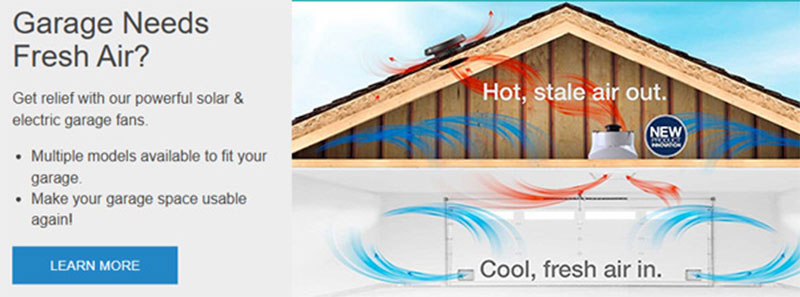
Addressing mold requires both treatment and prevention. While cleaning visible mold is important, improving airflow is essential to stop it from returning. If you use attic, garage or whole house moisture levels under control, you protect both your home and your health.
Stuffy or Stale Indoor Air
If your home often feels heavy, stale, or stuffy, especially in rooms with limited natural airflow, poor ventilation is likely the culprit. Stale air doesn’t just feel uncomfortable it also allows indoor pollutants like dust, carbon dioxide, and volatile organic compounds (VOCs) to accumulate. This can lead to headaches, fatigue, and a general sense of discomfort.
Installing exhaust fans can help in isolated rooms, but for whole-home improvement, a whole house fan is the ideal solution. These fans continuously replace stale indoor air with fresh, clean air and are the best way to keep your home well-ventilated without sacrificing energy efficiency.
Lingering Odors from Cooking or Pets
If cooking smells or pet odors linger long after the source is gone, your ventilation system may not be doing its job. Poor airflow allows odors and airborne pollutants to settle and recirculate. In kitchens, this can also lead to greasy residue building up on surfaces. A strong kitchen extractor fan is essential for removing cooking fumes. Pet owners may also benefit from air purifiers with activated carbon filters to neutralize odors. For long-term freshness, whole house fan-based ventilation system helps continuously remove stale air and maintain a cleaner indoor environment.
Worsening Allergies or Respiratory Issues
Poor ventilation can significantly affect indoor air quality, especially for those with asthma, allergies, or other respiratory sensitivities. Without proper airflow, allergens such as dust mites, pollen, and mold spores accumulate indoors. High humidity further encourages dust mites and mold growth, making symptoms worse.
Fan-based ventilation systems help reduce allergens and improve overall air quality. When paired with air purifiers, they create a healthier, more breathable home environment.
A well-ventilated home is essential for comfort, health, and long-term structural integrity. If you’ve noticed any of these signs, improving your ventilation could make a dramatic difference. What kind of ventilation challenges are you seeing in your own home? For expert help on ways to make your home a healthier place, contact Sunlight Concepts in the Bay Area. Being the premier dealers for Solatube, the world leader in fan-based ventilation technology and products, this is the place to get expert advice on how to properly ventilate your home. There are various world-class ventilation options which are designed for years of trouble-free performance, are economically priced and some that are solar powered, so there are no running costs. Ask for the free consultation to learn all you need to know about home ventilation and the best way to do it correctly.
Frequently Asked Questions
- What are the signs of poor ventilation in a home?
Common signs include condensation on windows, musty odors, mold growth, stale air, lingering smells, and increased allergies.
- Why does condensation form on windows inside the house?
Condensation forms when warm, humid indoor air meets cold surfaces, indicating excess moisture and poor ventilation.
- Can poor ventilation cause mold in the house?
Yes. Poor airflow traps moisture, creating the perfect environment for mold growth on walls, ceilings, and windows.
- How does poor ventilation affect indoor air quality?
It allows pollutants, dust, and allergens to build up, leading to stale air and potential health issues like headaches and fatigue.
- Do ventilation fans really help improve air quality?
Yes. Ventilation fans remove stale, humid air and replace it with fresh air, improving comfort and indoor air quality.
- Why do odors linger in a poorly ventilated home?
Without proper airflow, odors from cooking, pets, and daily activities remain trapped and recirculate inside the home.
- Can poor ventilation worsen allergies or asthma?
Yes. It increases humidity and traps allergens like dust mites and mold spores, which can worsen respiratory conditions.
- What is the best way to improve home ventilation?
Installing exhaust fans, using whole house ventilation systems, and ensuring proper airflow throughout the home are the most effective solutions.
- When should I consider upgrading my home ventilation system?
If you notice persistent moisture, mold, stale air, or health issues, it’s time to improve or upgrade your ventilation system.
- Where can I get expert advice on home ventilation solutions?
You can get expert guidance from Sunlight Concepts, offering advanced ventilation systems and free consultations.