
The Importance of Ventilation in Creating a Healthier Home
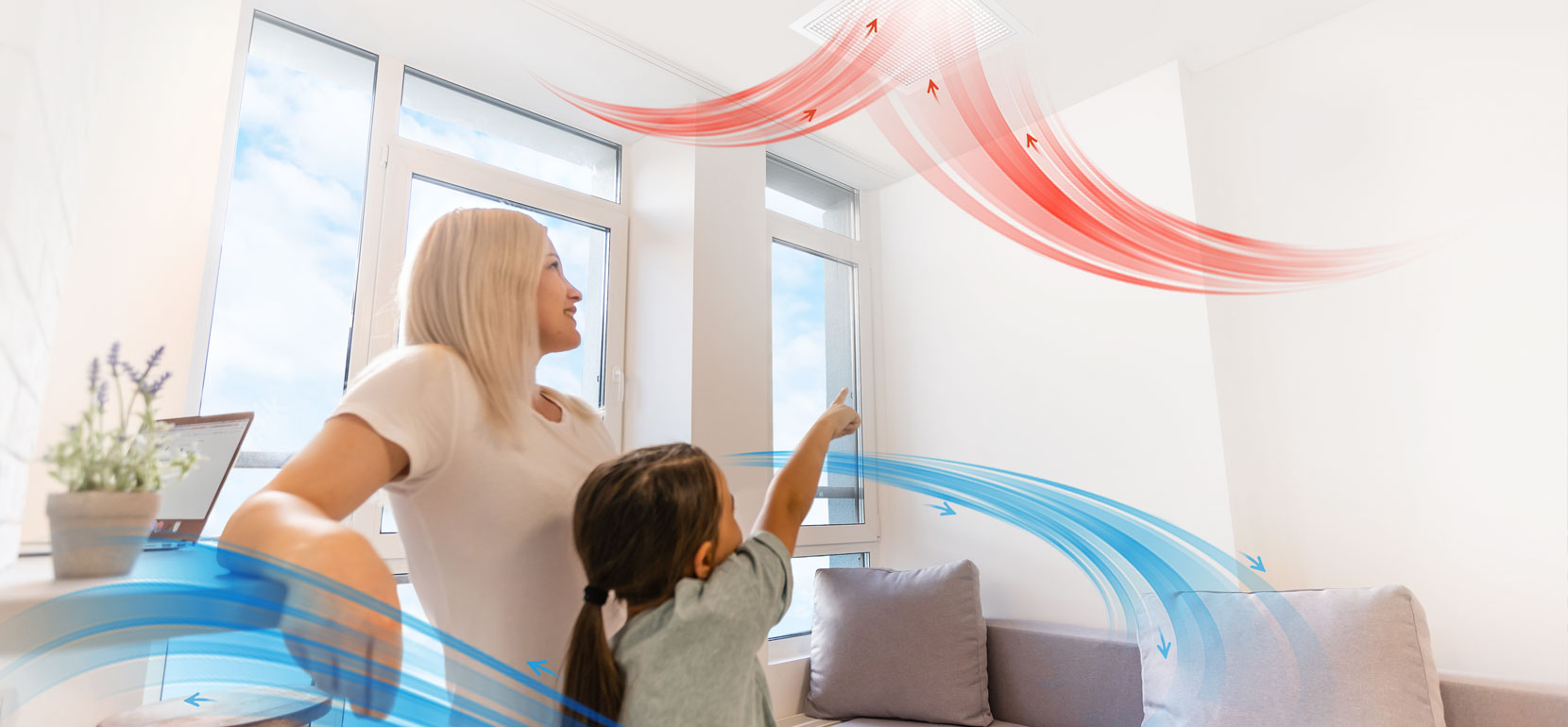
Why Good Home Ventilation Matters More Than You Think
Most people don’t think about the air moving through their homesuntil something goes wrong. Ventilation plays a quiet but essential role in keeping your living space healthy, comfortable, and structurally sound. From managing moisture to filtering pollutants, a well‑designed ventilation system protects both your home and the people living in it.
At its simplest, ventilation replaces stale indoor air with fresh outdoor air. But the benefits go far deeper. Proper airflow helps control humidity, prevents pollutants from building up, and reduces the risk of long‑term damage caused by trapped moisture. Without it, you’re essentially sealing in everything your home produces: steam from showers, fumes from cooking, chemicals from cleaning products, and even naturally occurring gases from the ground beneath your house.
The Biggest Reasons Every Home Needs Effective, Uninterrupted Ventilation
-
Preventing Condensation and Moisture Damage
Condensation is one of the most common—and most misunderstood—issues in modern homes. A national survey found that more than half of households experience condensation, especially during colder months. The science behind it is simple: Warm, moisture‑laden air meets a cold surface, and the water vapor turns into droplets.
You’ve seen this happen on a cold drink can. The same thing happens on your windows, walls, and behind furniture when indoor air cools down at night. As temperatures drop, the air can no longer hold all the moisture produced from everyday activities like cooking, bathing, and even breathing. That excess moisture settles on the coldest surfaces in your home.Left unchecked, condensation leads to peeling wallpaper, damp patches, musty odors, and eventually black mold. Mold doesn’t just damage your home—it can also trigger respiratory issues. A proper ventilation system keeps air moving and humidity under control, preventing moisture from settling and protecting your home’s structure.
-
Creating a Healthier Environment and Reducing Asthma Triggers
Poor ventilation creates the perfect breeding ground for dust mites, which thrive in warm, humid environments. These dust mites are a major trigger for asthma, eczema, and allergies. When these particles become airborne, they can irritate the skin, eyes, and respiratory system. By keeping humidity at healthy levels and ensuring a steady flow of fresh air, a good ventilation system helps reduce dust mite populations and improves indoor air quality. Many asthma sufferers report noticeable improvements once proper ventilation is installed.
-
Helping Ease Hay Fever and Seasonal Allergies
During the summer, opening windows to cool your home can invite pollen inside—bad news for anyone with hay fever. A mechanical ventilation system solves this problem by filtering incoming air before it enters your living space. This means you can keep windows closed while still enjoying a constant supply of fresh, clean air. For many allergy sufferers, this simple change can make the difference between a miserable summer and a comfortable one.
-
Reducing Exposure to Radon Gas
In certain regions, naturally occurring radon gas can seep into homes from the ground. It’s invisible, odorless, and linked to an increased risk of lung cancer. Radon becomes dangerous when it accumulates indoors without a way to escape. Ventilation, particularly positive input ventilation (PIV), which is best achieved by the use of a whole house fan, can help dilute radon levels by continuously introducing fresh air and pushing contaminated air out. For homes in radon‑affected areas, this can be an important layer of protection.
-
Minimizing VOCs and Indoor Pollutants
Modern homes are filled with volatile organic compounds (VOCs), which are released from everyday items like cleaning products, cosmetics, paints, and even new furniture. Studies suggest indoor air can be significantly more polluted than outdoor air, especially in tightly sealed homes. Ventilation helps dilute these chemicals, preventing them from building up to harmful levels. After activities like painting or deep cleaning, ventilation becomes even more critical, as VOC concentrations can spike dramatically.
- Why is ventilation important in a home?
Ventilation removes stale indoor air, controls humidity, reduces pollutants, and helps prevent mold, condensation, and respiratory issues.
- Can poor ventilation cause health problems?
Yes. Poor ventilation can increase dust mites, mold growth, VOC exposure, and radon buildup, which may trigger asthma, allergies, and respiratory conditions. - How does ventilation prevent condensation and mold?
By maintaining airflow and controlling humidity levels, ventilation prevents moisture from settling on cold surfaces where mold can develop. - Does ventilation help with allergies and hay fever?
Yes. Mechanical ventilation systems filter incoming air, reducing pollen and airborne allergens while keeping indoor air fresh.
- What are VOCs and how does ventilation help?
Volatile organic compounds are chemicals released from household products. Ventilation dilutes these pollutants, reducing indoor air toxicity. - What type of ventilation system is best for homes?
Whole-house fans, attic fans, and mechanical ventilation systems are effective options depending on home design and climate. - Where can I find a trusted Solatube dealer in the Bay Area?
Sunlight Concepts is the premier Solatube dealer in the Bay Area, providing expert consultation, professional installation, and high-quality daylighting and ventilation solutions for residential and commercial properties.
The Bottom Line
Good ventilation isn’t just “nice to have”—it’s a foundational part of a healthy home. It protects your property, reduces health risks, and creates a more comfortable living environment year‑round. Whether you’re dealing with condensation, allergies, or simply want cleaner indoor air, investing in proper ventilation is one of the smartest improvements you can make.
Installing the right ventilation fans is the best place to start. Whole-house, garage and attic fans can make a real difference to the atmosphere in the home and the health of those who reside there. Solatube is the market leader in ventilation fans, and the company’s products set standards for others to try to emulate. Sunlight Concepts is the premier Solatubedealer for the Bay Area. Visit the website and ask for the free consultation, where you will get all the information you need to make informed purchase decisions. Once you do, installation is quick, clean and economical.