
Investing in Efficiency: How Smart Homes Cut Long-Term Costs
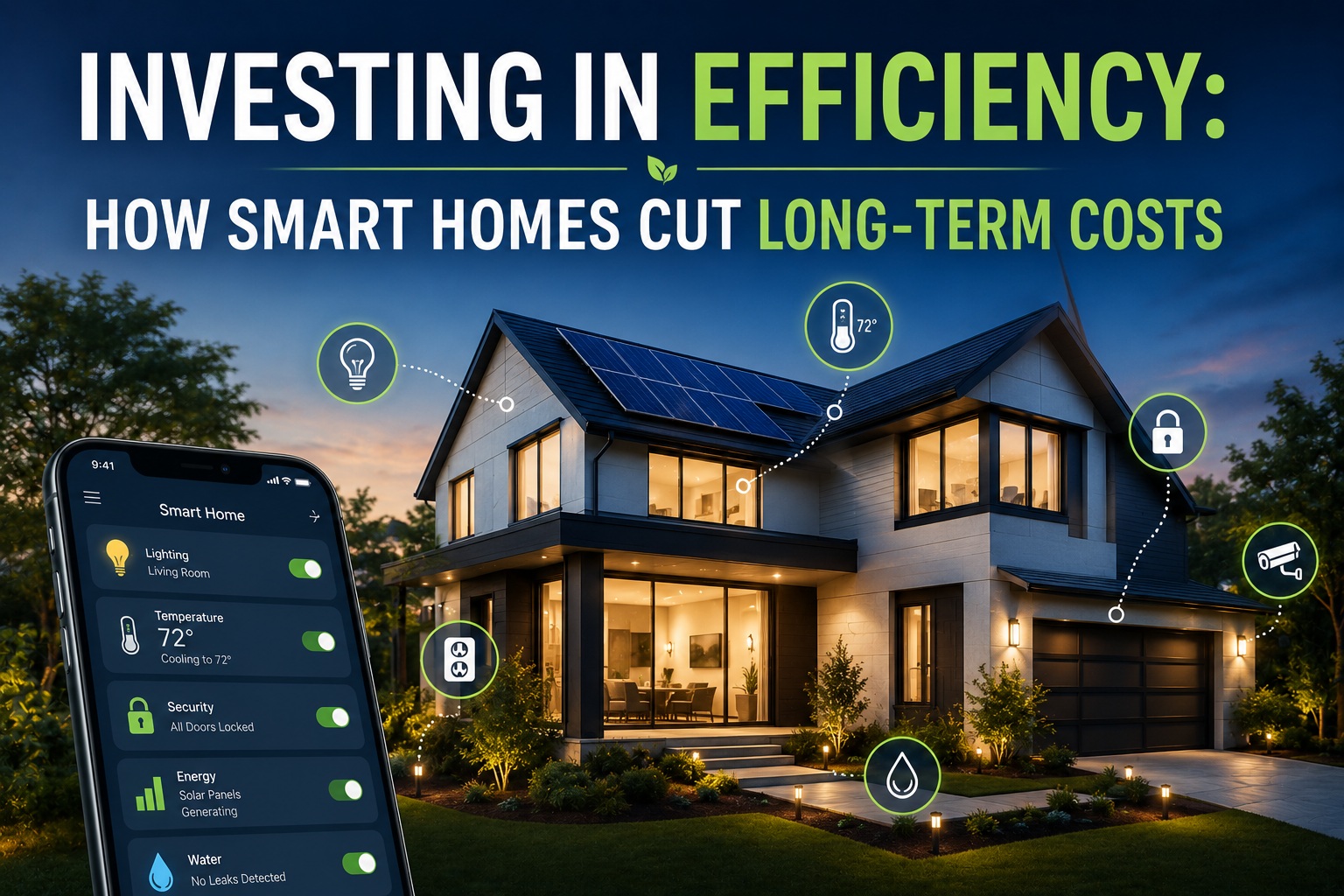
When people think about home investments, they often focus on visible upgrades like kitchens or landscaping. However, one of the most impactful investments is less visible: energy efficiency behind the walls. A home designed or upgraded for energy efficiency doesn’t just conserve power; it significantly reduces long-term financial strain.
- The core idea is simple: use less energy to achieve the same (or even greater) level of comfort. This can be accomplished through improved insulation, energy-efficient windows, the use of natural sunlight indoors and advanced ventilation systems. These features reduce energy loss, helping homeowners spend less money to maintain their living environment.
- Heating and cooling systems are among the biggest energy consumers in any home. An inefficient system works harder, consumes more energy, and wears out faster. Upgrading to a modern, energy-efficient HVAC system reduces energy usage while improving performance. Over time, this leads to lower energy bills and fewer costly repairs. Using ventilation fans to reduce the air conditioning load is a big energy and money saver.
- Water usage is another area where efficiency pays off. Installing low-flow fixtures and energy-efficient water heaters reduces both water and electricity consumption. These savings may seem small on a monthly basis, but over the years, they become substantial.
- Smart home technology adds another layer of financial benefit. Programmable thermostats and energy monitoring systems allow homeowners to control usage more precisely. For example, reducing heating or cooling when no one is home can significantly cut energy costs without sacrificing comfort.
- Energy-efficient homes also tend to have better durability. Materials and systems designed for efficiency are often of higher quality, which means they last longer and require less maintenance. This reduces the total cost of ownership over the life of the home.
- From a financial perspective, energy efficiency also enhances affordability. Lower utility bills mean more predictable monthly expenses, which can make budgeting easier. Over time, these consistent savings can be redirected toward other financial goals such as investments, education, or home improvements.
- Additionally, as energy efficiency becomes more important to buyers, homes with these features gain a competitive advantage in the real estate market. This can result in higher resale values and a faster selling process.
In essence, energy efficiency is not just about saving the planet—it’s about making a smart financial decision. By reducing operating costs, minimizing maintenance, and increasing property value, an energy-efficient home proves that sustainability and financial sense go hand in hand.
While the benefits, financial and otherwise, of investing in energy efficiency for the home are clear and well-defined, the route to achieving this objective is often not so. Finding the starting point (or deciding on an upgrade) requires an appreciation of your priorities. The best place to start creating an energy-efficient home is with lighting and ventilation. Tubular skylights are easy to install, require no structural modifications and provide clear natural sunlight to the interiors of a house all day. Once installed, they require no maintenance and involve no running costs. Solatube is the world leader in these devices, and in the Bay Area, Sunlight Concepts is the premier dealer. Solatube is also the leader in ventilation products like whole house, attic, and garage fans. Visit the website to learn more about the best energy-efficient lighting and ventilation solutions. The free consultation will help you find the right lighting and ventilation options for your green, energy-efficient home.
Frequently Asked Questions
- How do energy-efficient homes reduce long-term costs?
Energy-efficient homes use less electricity, heating, and cooling to maintain comfort. This leads to lower monthly utility bills, reduced maintenance expenses, and long-term financial savings.
- What smart home features help save the most energy?
Programmable thermostats, energy monitoring systems, efficient HVAC units, ventilation fans, and natural daylight solutions like tubular skylights can significantly reduce energy consumption.
- Are energy-efficient upgrades worth the investment?
In many cases, yes. While some upgrades have upfront costs, the long-term savings from lower utility bills, fewer repairs, and higher property value often outweigh the initial investment.
- How do tubular skylights improve home efficiency?
Tubular skylights bring natural sunlight indoors during the day, reducing the need for artificial lighting. They are also low-maintenance and do not require major structural changes.
- Can energy-efficient homes increase property value?
Yes. Buyers are increasingly looking for homes with lower operating costs and sustainable features, which can improve resale value and make homes more attractive in the market.
- Why are ventilation systems important in energy-efficient homes?
Efficient ventilation systems help regulate indoor temperature and reduce the load on air conditioning systems. This lowers energy usage while improving indoor comfort and airflow.